
A beautifully landscaped yard is often more than just plants and grass. Hardscape elements like patios, retaining walls, pathways, and fire pits create structure, style, and functionality. This is where landscaping masonry comes in. Understanding how landscaping masonry works helps homeowners plan projects that are durable, visually appealing, and suited to their lifestyle.
From design and material selection to construction and finishing, knowing the steps involved makes it easier to achieve a polished outdoor space.
What Landscaping Masonry Involves
Landscaping masonry combines construction skills with aesthetic design to create outdoor structures using stone, brick, concrete, or other durable materials. Common elements include:
- Patios and walkways
- Retaining walls and raised garden beds
- Fire pits and outdoor fireplaces
- Driveways and decorative borders
According to the National Association of Landscape Professionals, incorporating masonry into landscaping can increase property value and improve curb appeal. Masonry not only enhances beauty but also ensures long-lasting durability.
Initial Consultation and Site Assessment
The first step in how landscaping masonry works is a consultation with a professional. During this stage, the contractor will:
- Evaluate the property and soil conditions
- Measure spaces for patios, walls, and other structures
- Discuss your goals, style preferences, and budget
- Identify potential challenges such as slopes, drainage issues, or existing structures
This assessment is essential for creating a functional, safe, and aesthetically pleasing design.
Design Planning and Conceptual Layout
Once the site is assessed, a detailed design plan is created. This may include:
- Sketches or digital renderings of patios, walls, and pathways
- Placement of features for flow and functionality
- Material selection recommendations
- Integration with existing landscaping and plantings
Planning ensures every element fits well and functions properly, which is a central part of how landscaping masonry works effectively.
Choosing Materials
Material selection is one of the most important steps. Different projects require different masonry materials:
- Brick: Classic, durable, and versatile
- Natural stone: Unique textures and long-lasting quality
- Concrete pavers: Affordable and easy to maintain
- Gabion walls: Modern, functional, and environmentally friendly
The choice of material impacts cost, maintenance, and overall appearance. Contractors help homeowners select the best option for both aesthetics and practicality.
Site Preparation
Proper site preparation is crucial for the longevity of masonry projects. Steps include:
- Excavating and leveling the area
- Installing proper drainage to prevent water damage
- Compacting the base to support heavy structures
- Laying down a base layer of gravel or sand for stability
A well-prepared site ensures the masonry elements remain stable and durable over time.
Construction and Masonry Installation
The construction phase is where the design comes to life. Depending on the project, this may involve:
- Laying bricks or stones with mortar or adhesive
- Building retaining walls with proper reinforcement
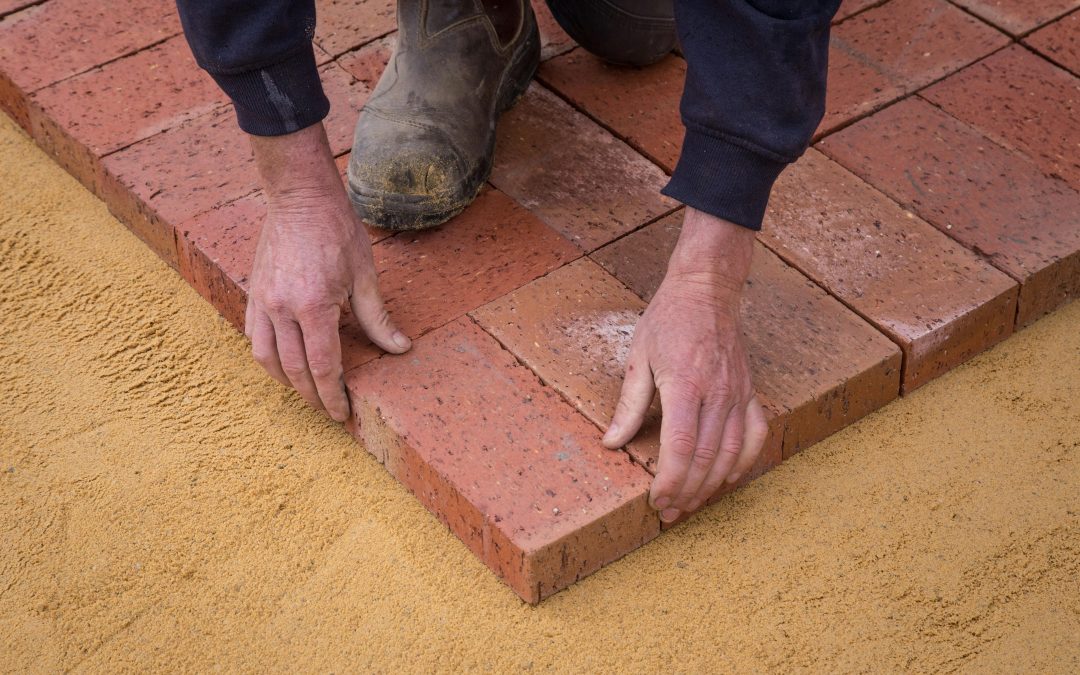
- Installing pavers in patterns or grids for patios and walkways
- Ensuring all elements are level and secure
Precision and attention to detail during installation are key for durability and aesthetic appeal, which is central to how landscaping masonry works successfully.
Finishing and Detailing
After the main construction, finishing touches make the masonry project complete. This includes:
- Cleaning excess mortar or adhesive
- Sealing stone or brick surfaces to prevent weather damage
- Adding coping stones, edging, or decorative accents
- Ensuring smooth transitions between hardscape and landscaping
Finishing ensures your masonry not only looks polished but also stands the test of time.
Maintenance and Longevity
Even high-quality masonry requires periodic maintenance to keep it in top condition. Recommended care includes:
- Cleaning debris and organic matter from surfaces
- Inspecting mortar joints and repairing cracks
- Re-sealing stone or brick periodically
- Addressing drainage or erosion issues promptly
Regular maintenance is a crucial part of understanding how landscaping masonry works to ensure long-lasting results.
Conclusion
Landscaping masonry is an essential part of creating functional and visually stunning outdoor spaces. From initial consultation and design to material selection, installation, and maintenance, every step is vital for a successful project.
Understanding how landscaping masonry works empowers homeowners to make informed decisions, collaborate effectively with professionals, and enjoy an outdoor space that enhances both beauty and value for years to come.
Recent Comments