
If you have a sloped yard, you already know the challenges that come with it. Rainwater can wash away soil, mowing becomes more difficult, and it can feel like you’re losing valuable outdoor space. The good news is that the right retaining wall can completely transform your landscape.
Whether your goal is to prevent erosion, create usable garden beds, or simply improve curb appeal, there are plenty of creative solutions to consider. The best part is that retaining walls are no longer just practical structures. Today, they are an important design feature that can make your yard more attractive and enjoyable.
In this guide, we’ll explore some of the best retaining wall ideas for sloped yards, along with helpful planning tips and design inspiration to help you make the most of your outdoor space.
Why Retaining Walls Matter on Sloped Properties
Retaining walls do much more than hold back soil. They help stabilize slopes, reduce erosion, improve drainage, and create flat areas that can be used for patios, gardens, or walkways.
According to the United States Environmental Protection Agency (EPA), managing stormwater runoff through proper landscaping and grading can significantly reduce soil erosion and protect nearby waterways. Retaining walls play an important role in achieving that goal by controlling the movement of soil and water.
Besides their practical benefits, retaining walls also increase the visual appeal of your property by adding depth, texture, and structure to the landscape.
Tiered Retaining Walls for Large Slopes
One of the most popular retaining wall ideas for sloped yards is building multiple terraced levels instead of one tall wall.
Tiered walls break a steep hill into manageable sections, creating flat planting beds or seating areas along the way. This approach also reduces pressure on each individual wall, making the structure more stable over time.
Benefits include:
- Better erosion control
- More planting space
- Easier maintenance
- Attractive layered landscaping
- Improved drainage between levels
You can fill each terrace with flowers, shrubs, ornamental grasses, or even a small vegetable garden.
Natural Stone Walls for Timeless Beauty
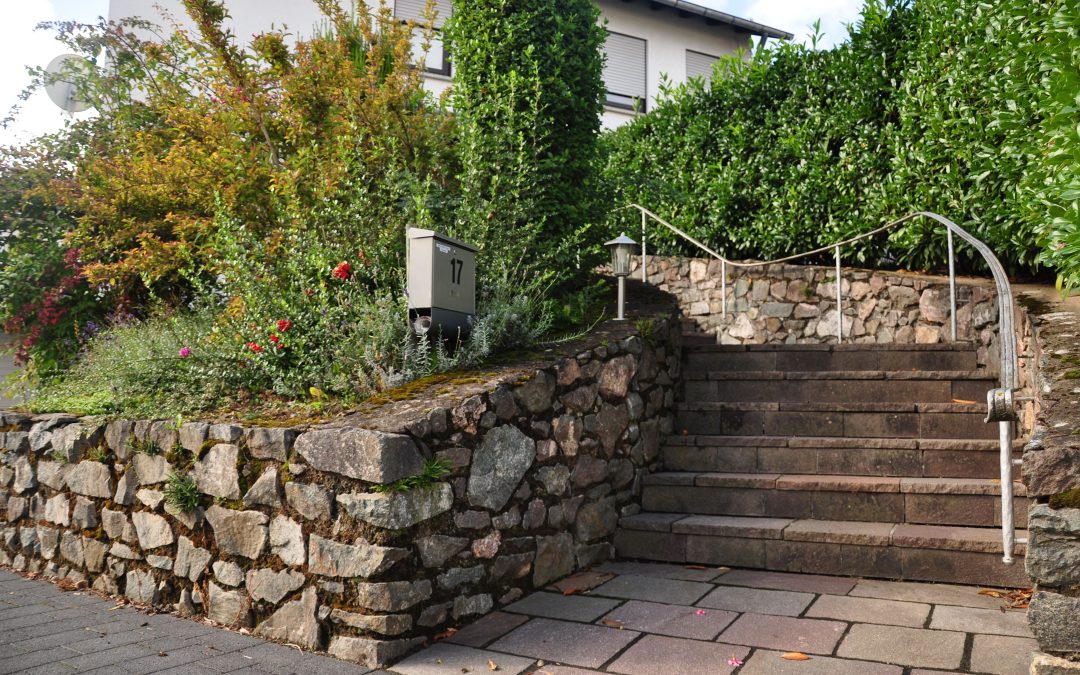
Natural stone remains one of the most attractive retaining wall materials available. Every stone has unique colors and textures, giving your landscape a classic appearance that blends beautifully with nature.
Stone walls work especially well for:
- Cottage gardens
- Rustic homes
- Woodland landscapes
- Luxury outdoor spaces
Although natural stone typically costs more than concrete blocks, many homeowners appreciate its durability and timeless style.
Concrete Block Retaining Walls
Concrete retaining wall blocks continue to be one of the most practical choices for homeowners.
Modern blocks come in various colors, textures, and finishes that resemble natural stone while offering easier installation.
Advantages include:
- Affordable pricing
- Long lifespan
- Uniform appearance
- Easy replacement if damaged
- Excellent structural strength
Many interlocking block systems are specifically engineered to withstand soil pressure while simplifying construction.
Timber Retaining Walls for Smaller Slopes
Wood retaining walls offer a warm, natural appearance that complements many backyard designs.
Pressure-treated lumber works best because it resists moisture and insects better than untreated wood.
Timber walls are generally recommended for shorter retaining walls because wood naturally deteriorates over time despite protective treatments.
They pair beautifully with:
- Raised flower beds
- Backyard fire pits
- Garden pathways
- Small patios
Adding landscape lighting along timber walls creates a cozy atmosphere during the evening.
Add Built-In Seating
Retaining walls do not have to serve only one purpose.
Consider designing the top of the wall as permanent seating around a patio or fire pit. Wide capstones create comfortable benches while saving space that would otherwise be occupied by outdoor furniture.
This idea works particularly well for entertaining guests or creating a relaxing backyard retreat.
Combine Retaining Walls with Garden Beds
One of the easiest ways to soften the appearance of retaining walls is by incorporating colorful plants.
Popular choices include:
- Lavender
- Daylilies
- Hostas
- Ornamental grasses
- Creeping thyme
- Boxwood shrubs
Plants help blend the wall into the surrounding landscape while adding seasonal color throughout the year.
Ground covers that spill over the wall also create a beautiful cascading effect.
Install Lighting for Extra Appeal
Landscape lighting dramatically enhances retaining walls after sunset.
Some popular lighting options include:
- LED cap lights
- Recessed wall lights
- Path lighting
- Solar-powered fixtures
- Low-voltage accent lights
Besides improving appearance, lighting increases safety by illuminating walkways and stairs.
Mix Materials for a Modern Look
Modern landscaping often combines several materials instead of using only one.
For example, you might pair:
- Concrete blocks with wood accents
- Natural stone with steel edging
- Brick with decorative gravel
- Stone walls with paver patios
Mixing textures creates visual interest and gives your landscape a more customized appearance.
Include Steps Within the Wall Design
If your yard has significant elevation changes, integrated steps make movement much easier.
Rather than placing stairs separately, many designers build them directly into the retaining wall.
This creates a seamless appearance while improving accessibility throughout the landscape.
Wide steps surrounded by plants often become one of the most eye-catching features in the yard.
Think About Drainage First
Even the strongest retaining wall can fail without proper drainage.
Water trapped behind the wall increases pressure against the structure, which may eventually lead to cracks or movement.
A properly designed retaining wall typically includes:
- Gravel backfill
- Drainage pipes
- Drainage fabric
- Weep holes where needed
Investing in proper drainage during installation helps protect your wall for many years.
Decorative Finishing Touches
Small details often make the biggest difference in the finished design.
Consider adding:
- Decorative stone mulch
- Outdoor lighting
- Flower borders
- Water features
- Sculptures
- Climbing plants
- Decorative caps
These finishing touches personalize your outdoor space while enhancing the overall appearance.
Choosing the Right Material
The ideal material depends on several factors, including your budget, climate, yard size, and design preferences.
Natural stone offers premium beauty.
Concrete blocks provide strength and affordability.
Timber creates warmth for smaller projects.
Brick delivers classic charm.
Boulders create a natural landscape appearance.
Take time to compare maintenance requirements before making your final decision.
Planning Your Project
Before starting construction, measure the slope carefully and check local building codes.
In many areas, retaining walls above a certain height require permits or professional engineering.
Hiring an experienced contractor may cost more upfront, but it can prevent expensive repairs later if your project involves steep slopes or complex drainage issues.
Careful planning almost always leads to better long-term results.
Conclusion
Finding the right retaining wall ideas for sloped yards can completely change how you use and enjoy your outdoor space. A well-designed retaining wall controls erosion, improves drainage, creates usable living areas, and adds lasting beauty to your property.
Whether you prefer elegant natural stone, affordable concrete blocks, rustic timber, or modern mixed materials, there is a solution that fits nearly every landscape and budget. By planning carefully and focusing on both function and design, your sloped yard can become one of the most attractive features of your home.
Recent Comments