
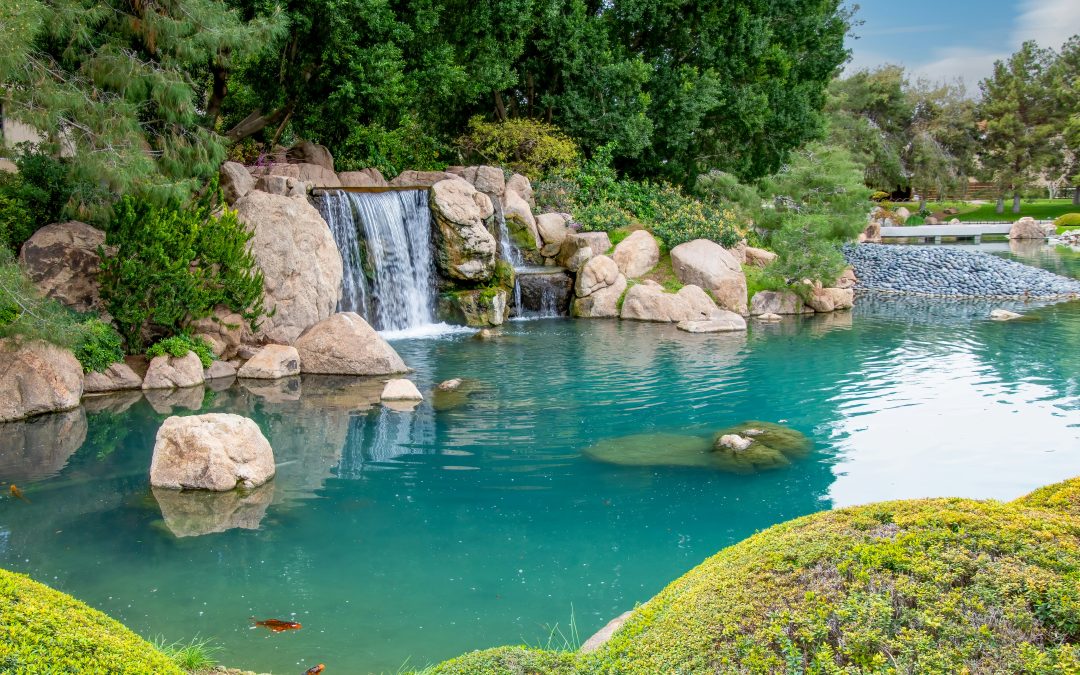
Imagine stepping into your backyard and hearing the soothing sound of water cascading gently over rocks. A natural waterfall in your backyard can transform even an ordinary garden into a serene retreat that feels like a hidden paradise. Beyond beauty, a waterfall adds tranquility, movement, and a touch of nature’s magic to your outdoor space.
Whether you’re planning a simple trickling stream or a multi-level water feature, creating a backyard waterfall is easier than you might think—with thoughtful design, proper planning, and the right materials. Let’s explore how to design, build, and enjoy your very own natural waterfall at home.
Why Add a Natural Waterfall to Your Backyard
A waterfall does much more than elevate your garden’s aesthetics. It offers several practical and emotional benefits:
- Relaxation: The sound of running water relieves stress and promotes calmness, perfect after a long day.
- Natural cooling: Water features help cool the air in warm climates, making your yard more comfortable.
- Wildlife attraction: Birds, butterflies, and frogs love clean water sources, adding life and movement to your garden.
- Air purification: Flowing water increases humidity and releases negative ions, which can improve air quality.
- Property value: A well-designed waterfall boosts curb appeal and can increase your home’s overall value.
Adding a natural waterfall in your backyard turns your outdoor space into an inviting sanctuary where nature and design work in harmony.
Planning Your Backyard Waterfall
Before you start digging or buying materials, take time to plan. Thoughtful preparation ensures your waterfall looks natural and functions properly.
1. Choose the Right Location
Select a spot that enhances your yard’s existing landscape. A gentle slope works best for gravity-driven waterfalls, but if your yard is flat, you can create height using rocks and soil.
Place the waterfall where it’s visible from key areas—your patio, deck, or living room windows—so you can enjoy the view indoors and out.
2. Decide on the Size and Style
Your waterfall can be grand or subtle depending on your space and budget.
- Small waterfalls: Perfect for cozy gardens or patios; can use pre-formed basins or small ponds.
- Medium waterfalls: Great for mid-sized yards with one or two cascading levels.
- Large waterfalls: Multi-tiered designs with wide streams for dramatic effect in larger spaces.
Keep the proportions natural—avoid perfectly symmetrical layouts. A waterfall should mimic nature with uneven rock placements and irregular shapes.
3. Determine the Water Source
A pump and recirculating system keep your waterfall flowing continuously. Choose a pump that matches the size of your feature: the higher the water must travel, the more powerful the pump required.
Many homeowners pair their waterfall with a pond, while others use a pondless waterfall system where water disappears into a hidden reservoir and cycles back up. The pondless design is lower-maintenance and safer for homes with children or pets.
Designing a Natural Look
To make your waterfall blend with nature, focus on realistic textures, materials, and arrangements.
Use Natural Stones
Select local rocks or boulders in varying sizes to form the base, sides, and steps of your waterfall. Mix smooth river stones with rugged rocks for a more organic feel. Avoid artificial shapes—irregular edges look more authentic.
Layer for Depth and Flow
Stack larger rocks at the base and smaller ones toward the top. Leave natural gaps between stones so water can trickle, splash, or pool. Vary the height of the cascades for a dynamic sound—small drops create soft trickles, while taller ones add drama.
Add Plants for Realism
Surround your waterfall with greenery to soften the structure. Choose moisture-loving plants like:
- Ferns
- Hostas
- Water lilies
- Creeping jenny
- Japanese irises
These plants thrive near water and make the area feel lush and natural. For extra beauty, mix in ornamental grasses or flowering shrubs nearby.
Building the Waterfall
Here’s a simple outline of how to build your natural waterfall in your backyard:
- Excavate and shape the site. Dig a shallow basin or pond where water will collect. Build up soil to create the slope for your cascade.
- Lay a waterproof liner. Use a flexible EPDM liner to prevent water loss. Secure it with rocks or heavy stones.
- Place the pump and tubing. Position the pump in the lowest basin, running tubing up to the top of your waterfall.
- Arrange rocks and test flow. Stack rocks securely, starting from the bottom. Once positioned, run the pump to check water flow. Adjust rock placement for the right sound and direction.
- Add finishing touches. Trim excess liner, hide the tubing with stones, and fill gaps with gravel for a polished look.
You can complete a small waterfall over a weekend with basic DIY skills, or hire a professional for larger or more complex designs.
Enhancing Your Waterfall’s Beauty
Once built, personalize your waterfall with thoughtful touches:
- Lighting: Add waterproof LED lights beneath or beside cascades for magical nighttime effects. Warm white or soft blue tones look especially enchanting after dusk.
- Pathways: Install stepping stones or a gravel path leading to the waterfall to invite exploration.
- Seating area: Place benches or outdoor chairs nearby to create a relaxing corner for morning coffee or evening meditation.
- Decorative accents: Incorporate driftwood, sculptures, or garden ornaments that complement your outdoor theme.
A waterfall is not just a feature—it becomes the heart of your garden’s atmosphere.
Maintenance Tips
Regular maintenance keeps your waterfall clean, clear, and running efficiently.
- Remove leaves and debris weekly, especially during autumn.
- Check the pump regularly for clogs or damage.
- Treat water with safe, natural algaecides if needed.
- Trim surrounding plants to prevent overgrowth into the water.
- Refill water levels occasionally to replace evaporation loss.
In cold climates, drain the system and store the pump indoors during winter to prevent freezing damage.
Eco-Friendly Waterfall Ideas
To make your waterfall sustainable, consider:
- Installing a solar-powered pump to reduce electricity costs.
- Using collected rainwater as your water source.
- Selecting native plants that require minimal maintenance.
- Avoiding chemical cleaners—natural filtration systems using gravel and aquatic plants work best.
These eco-conscious ideas keep your waterfall environmentally friendly and cost-effective over time.
Final Thoughts
Adding a natural waterfall in your backyard is more than a design choice—it’s an invitation to reconnect with nature. The gentle sound of flowing water, the shimmer of light on stones, and the lush greenery around it create a peaceful escape right outside your door.
Whether you prefer a small pondless trickle or a grand multi-tiered cascade, your waterfall can become the centerpiece of relaxation and beauty in your home. With creativity, care, and a touch of imagination, you can transform your backyard into a natural haven that soothes the senses every day.
Recent Comments