
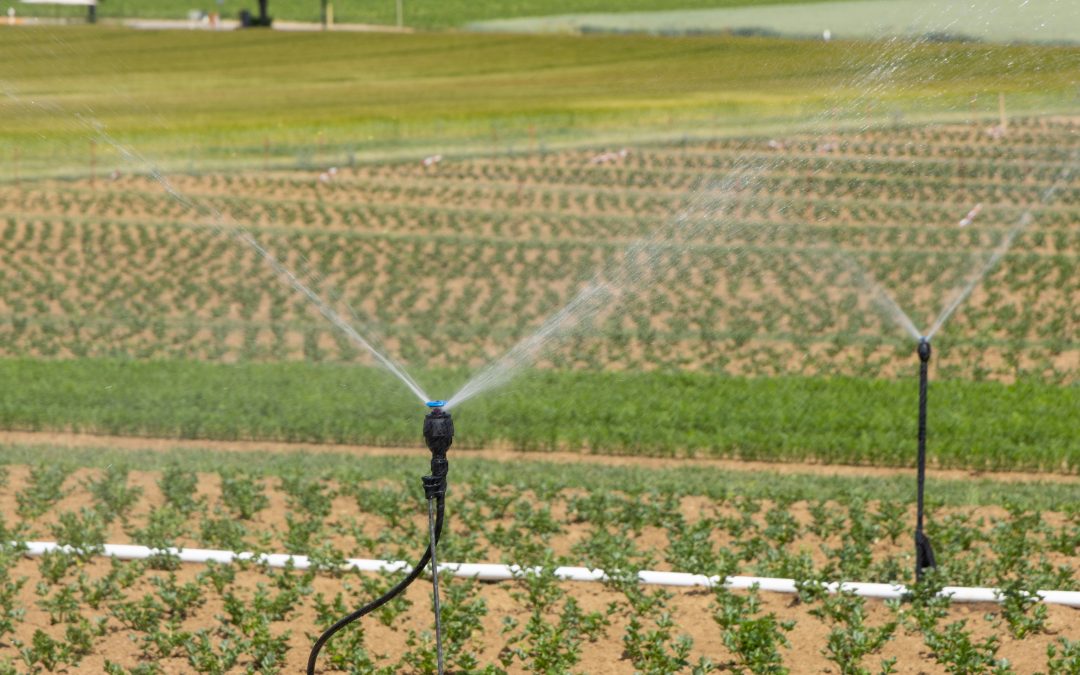
A well-functioning irrigation system is the heart of a healthy lawn and garden. It ensures plants get the right amount of water, saves time, and conserves resources. However, when irrigation issues arise, they can lead to dry patches, overwatering, or wasted water — all of which harm your landscape and your wallet.
Understanding the most common irrigation problems and solutions will help you spot issues early, fix them efficiently, and maintain a lush, thriving outdoor space. Whether you manage a home garden, a commercial landscape, or a farm, this guide will walk you through the main challenges and how to resolve them.
Common Irrigation Problems and Their Causes
1. Uneven Water Distribution
One of the most common irrigation issues is uneven watering. Some areas get too much water, while others stay dry and patchy. This often happens due to:
- Clogged or misaligned sprinkler heads
- Uneven water pressure
- Poor system layout or outdated design
Solution:
Inspect sprinkler heads regularly and clean or replace clogged nozzles. Adjust the spray pattern so water reaches all areas equally. If your system design is outdated, consider upgrading to a more efficient model with adjustable nozzles or smart zoning controls.
2. Low Water Pressure
Low water pressure causes weak sprinkler output, leading to inadequate coverage. It can result from leaks, blocked pipes, or poor connections between fittings.
Solution:
Check for leaks by walking the system while it’s running. If you notice soggy spots or bubbling water, that’s a sign of a leak. Clean filters and remove any debris blocking the pipes. If pressure remains low, inspect the backflow preventer and valves — they may need repair or replacement.
3. High Water Pressure
On the opposite end, excessively high water pressure can cause sprinklers to mist or spray erratically. This wastes water and leads to dry spots where the mist evaporates before soaking the soil.
Solution:
Install a pressure regulator to maintain optimal water flow. Most sprinkler systems work best between 30 and 50 psi. Adjust the pressure at the control valve or install zone-specific regulators to ensure even flow throughout the system.
4. Clogged Nozzles or Emitters
Dirt, minerals, or debris often clog nozzles, especially in drip irrigation systems. Clogged emitters can cause inconsistent watering and eventually damage plants that don’t receive enough moisture.
Solution:
Clean nozzles with a small wire or soak them in vinegar to dissolve mineral buildup. Install a filter at the water source to prevent future clogs. Regular maintenance is key — flushing the system once or twice a year can prevent buildup.
5. Leaking Pipes or Fittings
Leaks waste water and can erode soil or create uneven watering zones. They’re usually caused by cracked PVC pipes, loose joints, or damaged seals.
Solution:
Turn off the water and inspect the pipes. Small leaks can be sealed with waterproof tape or PVC cement. For larger cracks or broken sections, replace the damaged parts entirely. Also, avoid digging near irrigation lines to prevent accidental damage.
6. Overwatering and Runoff
Overwatering not only wastes water but also suffocates roots and promotes disease. Runoff typically occurs when sprinklers apply water faster than the soil can absorb it.
Solution:
Adjust your watering schedule to shorter, more frequent cycles, allowing water to soak into the soil. Use smart irrigation controllers that automatically adjust watering based on weather and soil conditions. For sloped areas, consider drip irrigation systems that deliver water slowly and directly to the roots.
7. Underwatering
If you notice dry patches or wilting plants, your irrigation system may not be delivering enough water. Common causes include clogged heads, poor scheduling, or insufficient system coverage.
Solution:
Check water distribution by placing cups around your lawn and running the sprinklers for a set time. Measure how much water each area receives. Adjust your timer or reposition sprinklers to ensure all areas get adequate moisture.
8. Broken or Misaligned Sprinkler Heads
Sprinkler heads can easily break or shift due to lawnmowers, foot traffic, or weather conditions. A misaligned sprinkler may water the sidewalk instead of your plants.
Solution:
Inspect sprinklers every few weeks. Replace damaged heads and adjust the spray direction. For pop-up sprinklers, make sure they fully retract after each cycle to avoid breakage.
9. Electrical and Timer Issues
Modern irrigation systems rely on timers and sensors. If your sprinklers don’t turn on or shut off correctly, it could be a timer or wiring issue.
Solution:
Check your controller’s settings first. Ensure the program matches your watering needs and the correct zones are activated. Replace batteries regularly, and inspect wiring for corrosion or loose connections. If you’re unsure, call a licensed irrigation technician.
10. Seasonal or Weather-Related Problems
Changes in temperature, humidity, or rainfall affect irrigation performance. Frozen pipes in winter or excessive watering during rainy months can cause damage and waste.
Solution:
Winterize your system by draining water before freezing weather. In wet seasons, adjust your irrigation schedule or install a rain sensor that automatically pauses watering when it rains.
Advanced Irrigation Solutions
Technology now offers efficient and eco-friendly solutions to common irrigation challenges.
Smart Controllers
Smart irrigation systems use weather data and soil sensors to adjust watering automatically. They optimize schedules, reducing waste and ensuring plants get just the right amount of moisture.
Drip Irrigation
For gardens and flower beds, drip irrigation delivers water directly to the root zone, reducing evaporation and preventing diseases caused by wet foliage.
Rain and Soil Sensors
Rain sensors prevent overwatering after rainfall, while soil moisture sensors track hydration levels in real time to prevent both dry and waterlogged conditions.
Mulching and Landscaping Techniques
Combining irrigation with smart landscaping reduces water usage. Mulching retains soil moisture, and native plants often require less watering.
Maintenance Tips for Long-Term Efficiency
To avoid recurring irrigation problems and solutions fatigue, keep up with routine maintenance:
- Inspect your system monthly for leaks or misaligned sprinklers.
- Clean filters and nozzles twice a year.
- Flush drip lines to remove sediment.
- Adjust schedules seasonally for changing weather.
- Have a professional inspection annually.
A few hours of regular maintenance can save hundreds of gallons of water and prevent major repairs.
Final Thoughts
An efficient irrigation system keeps your landscape thriving, conserves water, and reduces maintenance headaches. Most irrigation problems and solutions come down to regular inspection, cleaning, and timely repairs.
By combining good maintenance habits with smart irrigation technology, you can ensure your lawn and garden stay green, healthy, and sustainable year-round. Whether it’s fixing leaks, cleaning nozzles, or upgrading to a smart controller, small efforts today will lead to big savings and long-term results tomorrow.
Recent Comments