
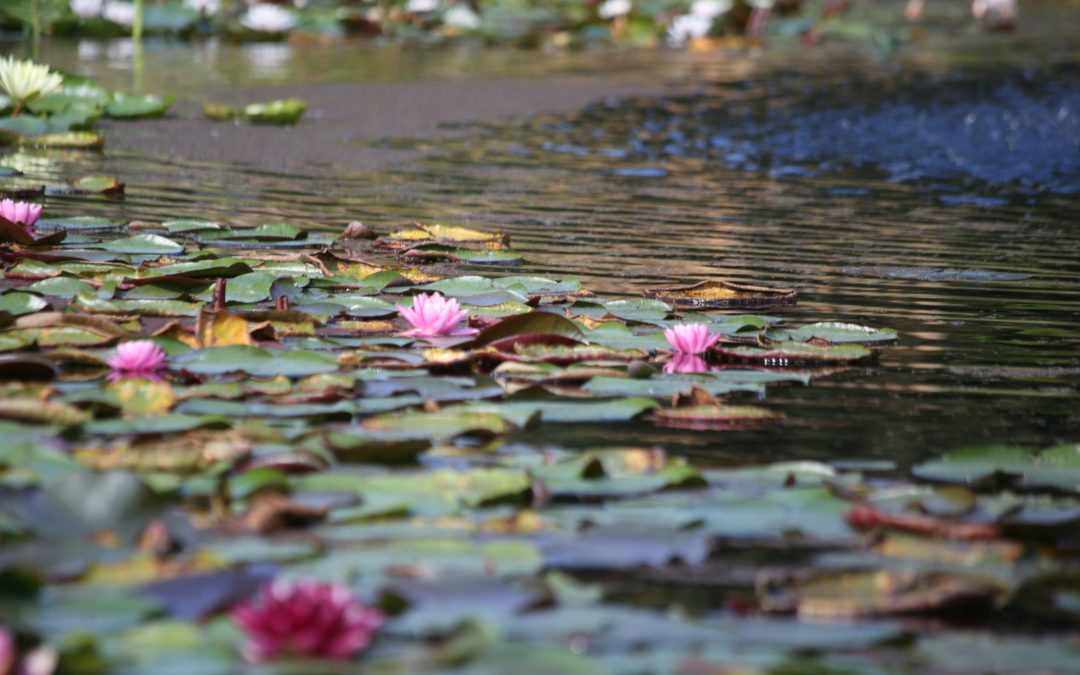
Have you ever noticed puddles that just will not go away after rain, or areas in your lawn that stay soggy long after everything else has dried? That is a clear sign of still water in garden — a common problem that can damage plants, attract mosquitoes, and even weaken your home’s foundation if left unchecked. The good news is that you can fix it with a little investigation and some smart garden care. In this guide, we will explore what causes still water, how to get rid of it, and how to keep your garden dry and thriving.
What Does Still Water in Garden Mean
Still water refers to areas in your garden where water collects and remains stagnant instead of draining away naturally. It usually appears after heavy rain or overwatering. While a small puddle might seem harmless, standing water over time can suffocate plant roots, cause fungal diseases, and make soil compact and poor in oxygen.
It also becomes a breeding ground for mosquitoes and other pests. When still water in garden persists, it means your soil or drainage system is not working as it should. Understanding the reason behind it is the first step to solving the issue for good.
Common Causes of Still Water in Gardens
1. Poor Soil Drainage
Clay-heavy soil holds water tightly, making it difficult for moisture to pass through. Over time, this creates puddles that linger for days. If your garden has compacted or clay soil, you are more likely to experience poor drainage.
2. Uneven Ground
Low spots or dips in the landscape naturally collect water after rainfall. Without proper leveling, these areas become mini ponds that stay wet long after the rest of your yard has dried.
3. Blocked Drainage Systems
Gutters, downspouts, or garden drains can become clogged with leaves, dirt, and debris. When this happens, rainwater has nowhere to go, and it starts pooling in the yard instead of flowing away from your property.
4. Hard Surfaces and Runoff
Driveways, patios, and paved walkways can direct water toward your garden if they are not sloped properly. This runoff can overwhelm your soil’s ability to absorb water.
5. Overwatering or Leaky Hoses
Sometimes the cause is as simple as watering too often or leaving a hose dripping. Excess water saturates the soil and keeps it constantly damp, especially in shaded areas where evaporation is slower.
Why You Should Not Ignore Still Water
Leaving still water in garden untreated can cause serious issues. Prolonged moisture weakens grass roots and encourages algae, mold, and moss to grow. Plants start yellowing or rotting from the roots up, and your garden becomes an open invitation for mosquitoes and slugs.
It can also damage wooden fences, garden sheds, or even concrete pathways if water seeps underneath repeatedly. If the pooling is close to your house, it may erode the soil near your foundation, creating cracks or damp spots inside walls. Fixing drainage early prevents these bigger and costlier problems later on.
How to Fix Still Water in Garden
1. Identify the Source
Before you grab a shovel, take a closer look after rain. See where water collects and how long it stays there. Check if downspouts are directing water toward those areas. Once you know the cause, you can choose the right fix.
2. Improve Soil Drainage
If clay or compacted soil is to blame, aerate the ground to let air and water move freely. Use a garden fork or aerator to poke holes across the soggy area. Mixing in organic matter like compost, coarse sand, or grit will help break up the soil and improve drainage.
You can also create raised beds for your plants. This allows water to drain below the root level, keeping plants healthier.
3. Level Low Areas
For uneven ground, fill low spots with topsoil mixed with compost and gently slope the area away from buildings. This ensures water flows out instead of collecting.
If the depression is deep, you could turn it into a rain garden — a beautiful solution that uses water-loving plants like irises, hostas, or sedges to naturally absorb excess moisture.
4. Clear Gutters and Drains
Check your roof gutters, downpipes, and any surface drains for blockages. A simple cleaning can make a big difference. Extend downspouts away from your garden beds and house walls using flexible pipes or splash blocks so water flows into safer areas.
5. Install a French Drain or Soakaway
If water consistently pools in the same area, installing a French drain can solve it permanently. This is a trench filled with gravel and a perforated pipe that redirects excess water underground to a safer drainage point.
A soakaway (a deep hole filled with stones) can also help water filter slowly into the soil instead of sitting on the surface. While these require more work, they are long-term solutions for chronic drainage issues.
6. Reduce Runoff from Hard Surfaces
If your patio or driveway channels water into the garden, consider adding edging or drainage channels along the sides. Permeable paving materials allow water to soak through rather than flow over the surface.
7. Adjust Watering Routines
Overwatering can make any drainage problem worse. Water your garden deeply but less often. Early morning is the best time, as it allows plants to absorb moisture before the day warms up and prevents overnight saturation.
Natural Solutions for Standing Water
If you prefer eco-friendly fixes, nature offers plenty of help. Planting deep-rooted grasses, shrubs, or native plants improves soil structure and absorbs extra water. Plants like daylilies, ferns, and marsh marigolds thrive in damp soil and help reduce surface pooling naturally.
Mulching around garden beds also prevents compacted soil and promotes even moisture distribution. Additionally, a layer of gravel or bark chips in soggy zones helps water move downward faster.
Example: A Simple Garden Transformation
A homeowner in Leeds struggled with still water in garden areas near the fence every winter. After inspecting the yard, they found that the downspout emptied directly into that corner, and the soil was heavy clay. They redirected the downspout using an extension pipe, aerated the area, and added a layer of compost mixed with grit. Within weeks, the soil dried out faster, and puddles stopped forming. A few decorative moisture-loving plants turned the once-problematic area into a beautiful feature bed.
Preventing Still Water in the Future
Prevention is all about regular maintenance. Keep gutters clean, check your garden slope annually, and avoid compacting soil by walking on it when it’s wet. Adding organic matter each season improves drainage naturally. Regular inspections after rain will help you spot and fix potential problems early before they worsen.
Final Thoughts
Dealing with still water in garden may seem frustrating, but the solution is often simpler than it appears. By improving drainage, adjusting watering habits, and keeping the soil healthy, you can enjoy a dry, vibrant garden all year long. A little effort now goes a long way in protecting your plants, home, and peace of mind. Remember, good drainage is the foundation of every thriving garden — once you solve the still water issue, everything else falls beautifully into place.
Recent Comments