
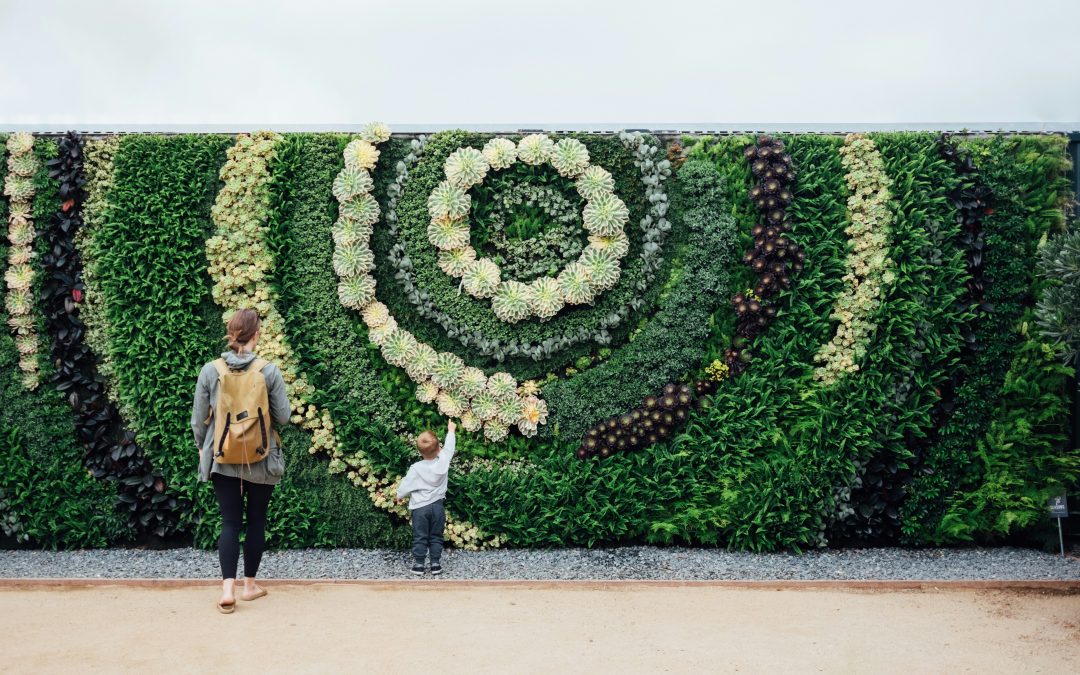
Have you ever looked at a blank wall in your home or yard and thought, “This could use a little life”? That’s exactly where vertical garden installation comes in. It’s one of the most creative and space-saving ways to bring nature indoors—or onto a balcony, patio, or even an office wall. Whether you’re a city dweller with limited square footage or just someone looking to add a vibrant, natural touch to your space, vertical gardens offer a surprisingly simple solution.
In fact, a study by the National Institutes of Health found that exposure to greenery—especially in urban environments—can reduce stress, improve focus, and enhance mood. Vertical gardens make that possible, even in the tightest of spaces.
Let’s dig into what makes vertical garden installation so special, how to do it, and why it might be the perfect green upgrade for your space.
What Is Vertical Garden Installation?
Vertical garden installation is the process of setting up plants on a vertical surface—usually a wall—rather than on the ground. These gardens can be installed indoors or outdoors and use various structures such as panels, trellises, pocket planters, or even custom-built frames.
There are two basic types:
- Soil-based systems: These use traditional soil or compost within containers or planters.
- Hydroponic systems: These use a water-based growing medium without soil.
You can install a vertical garden using real plants or opt for artificial greenery if you’re looking for a no-maintenance option.
Why Go Vertical?
Here are just a few benefits of vertical garden installation:
- Space-efficient: Perfect for apartments, condos, or small patios.
- Visually striking: Instantly elevates the look of any wall.
- Air purification: Certain plants can improve indoor air quality.
- Noise reduction: Great for shared walls or city homes.
- Temperature regulation: Living walls can help keep interiors cooler.
Plus, vertical gardens can be scaled to fit your space and design goals—from small herb gardens in the kitchen to lush, full-wall plant displays.
Choosing the Right Plants for Your Vertical Garden
Not every plant thrives in a vertical setup, so it’s important to choose wisely. Some plant types that work well include:
- Succulents (like jade or echeveria)
- Herbs (such as basil, thyme, and mint)
- Ferns
- Pothos
- Spider plants
- Air plants (tillandsia)
If your vertical garden installation is outdoors, consider sunlight, rainfall, and wind exposure. For indoors, lighting and humidity will be key.
Tip: Use a mix of trailing and upright plants to create depth and variety.
How to Install a Vertical Garden at Home
Don’t worry—you don’t need to be a pro landscaper or carpenter to get started. Here’s a basic step-by-step for a DIY vertical garden installation:
- Choose your location
Pick a wall with adequate light and water access. Make sure it’s strong enough to support the structure and plants. - Select your frame or structure
This could be a wooden pallet, hanging planter, pocket planter, or a commercial vertical garden system. - Plan your irrigation
If it’s a large setup, drip irrigation systems work best. For smaller indoor ones, manual watering can do the trick. - Install your base
Secure the frame to the wall using screws or brackets. - Add soil or growing medium
Fill your planters or pockets with potting soil or a hydroponic solution. - Plant and arrange
Place your plants, starting from the bottom and working up. Mix textures and colors for a lively look. - Maintain regularly
Water, trim, and fertilize as needed. Keep an eye on pests and rot.
Real-Life Uses of Vertical Garden Installation
You’ll find vertical gardens in homes, cafés, restaurants, and even corporate offices. Some creative uses include:
- A kitchen herb wall that’s both decorative and functional
- A living green wall behind a reception desk
- A patio wall of flowering plants that bloom seasonally
- A fence cover with vines and climbers for added privacy
In cities like Singapore and Tokyo, vertical gardens are part of major sustainability plans to combat the urban heat island effect.
Final Thoughts: Is Vertical Garden Installation Right for You?
If you’re looking to maximize your space, freshen up your home’s look, and reconnect with nature, vertical garden installation is definitely worth a try. It’s creative, customizable, and good for both your well-being and the environment.
Whether you’re growing herbs, flowers, or tropical plants, the key is to start small and scale up as you get more confident. Once you see your wall come to life, you might just wonder why you didn’t go vertical sooner.
Recent Comments