
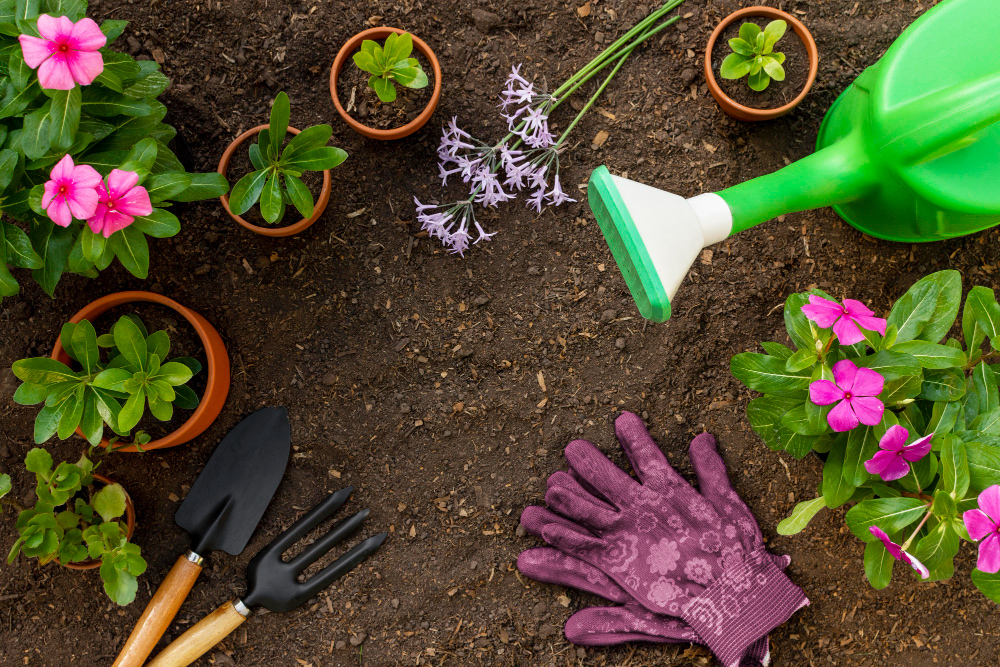
Transplanting plants is a crucial skill for any gardener, whether you’re moving plants to a new location in your yard or bringing home new additions from the nursery. When done correctly, transplanting can help your plants thrive and contribute to a beautiful, healthy garden. Here are some essential tips to ensure successful plant transplanting.
1. Choose the Right Time
Timing is crucial when transplanting plants. The best times for transplanting are typically during the cooler months of spring and fall. Avoid transplanting during the heat of summer, as high temperatures and intense sunlight can stress plants. Early morning or late afternoon are ideal times to transplant, as the cooler temperatures reduce stress on the plants.
2. Prepare the New Location
Before you start digging up your plants, prepare the new location. Ensure the soil is well-draining and enriched with compost or organic matter to provide essential nutrients. Dig a hole that is twice as wide and just as deep as the plant’s root ball. This allows the roots to spread out and establish themselves more easily in their new home.
3. Water Thoroughly
Water both the plant and the new location thoroughly before transplanting. Moist soil helps the plant’s roots adapt to the new environment more easily and reduces the risk of transplant shock. Watering the plant a few hours before digging it up ensures that the roots are hydrated and more pliable.
4. Carefully Dig Up the Plant
When digging up the plant, be gentle to avoid damaging the roots. Use a spade or garden fork to dig around the plant, starting at a distance to ensure you capture the entire root ball. Lift the plant from the soil carefully, keeping as much of the root ball intact as possible.
5. Transplant with Care
Place the plant in the prepared hole at the same depth it was growing in its previous location. Backfill the hole with soil, pressing it down gently to eliminate air pockets. Water the plant again after transplanting to help settle the soil and establish good root-to-soil contact.
6. Mulch and Protect
Apply a layer of mulch around the base of the transplanted plant to retain moisture, regulate soil temperature, and suppress weeds. Keep the mulch a few inches away from the plant’s stem to prevent rot. If necessary, provide temporary shade for a few days to protect the plant from intense sunlight while it acclimates to its new location.
7. Monitor and Care
After transplanting, monitor the plant closely for the first few weeks. Water regularly to keep the soil consistently moist but not waterlogged. Watch for signs of transplant shock, such as wilting or yellowing leaves, and provide extra care as needed. With proper attention, the plant should recover and begin to establish itself in its new home.
8. Know When to Transplant Perennials and Shrubs
Perennials and shrubs have specific transplanting needs. For perennials, it’s best to transplant them when they are dormant in early spring or fall. Shrubs should be transplanted in late fall after they have lost their leaves or in early spring before new growth begins. This timing reduces stress and increases the likelihood of successful transplantation.
9. Divide and Conquer
Transplanting is also an excellent opportunity to divide overgrown plants. Dividing perennials encourages healthy growth and rejuvenates older plants. Gently separate the root clumps into smaller sections, ensuring each section has a good amount of roots and foliage. Plant the divisions in prepared holes, and follow the same transplanting steps.
10. Seek Professional Help if Needed
For large trees, mature shrubs, or complex landscapes, consider seeking professional help. Landscaping professionals have the expertise and equipment to safely and successfully transplant large or delicate plants, ensuring they thrive in their new location.
By following these tips, you can master the art of transplanting plants and create a thriving, beautiful garden. Whether you’re reorganizing your existing landscape or adding new plants, careful transplanting ensures your garden flourishes season after season.
Recent Comments